Table of Contents
I’ve been renovating homes for over a decade, and when I first heard about digital home design books promising professional plans for a few dollars, I was skeptical. Like many homeowners, I’ve wasted money on generic ebooks that offered little beyond basic floor plans you could find with a quick Google search.
The promise of home design house plans in an accessible digital format sounds appealing—especially for DIY enthusiasts who want to visualize projects before breaking ground. But does a 33-page Kindle book actually deliver practical value, or is it just another low-content digital product?
After thoroughly testing this home design resource across multiple projects, I’m breaking down exactly what you get, who it genuinely helps, and when you’re better off looking elsewhere.
Key Takeaways
- Extremely limited scope – 33 pages provides only surface-level concepts rather than comprehensive plans
- Accessibility features are well-implemented – screen reader support and enhanced typesetting work seamlessly
- Best for absolute beginners – experienced DIYers will find the content too basic
- Price reflects content depth – at under $3, expectations should be appropriately set
- Missing construction details – no material lists, measurements, or technical specifications
Quick Verdict
Best for: Complete beginners wanting basic inspiration for small DIY projects; homeowners with visual impairments needing accessible home improvement content; budget-conscious users wanting entry-level design concepts.
Not ideal for: Experienced DIYers needing detailed construction plans; professionals requiring technical specifications; anyone seeking comprehensive recreational garden designs; users wanting printable, scalable blueprints.
Core strengths: Excellent accessibility features, budget-friendly price point, straightforward interface, decent inspiration for simple projects.
Core weaknesses: Severely limited content depth, missing technical details, outdated publication (2017), no printable plans or measurements provided.
Product Overview & Specifications
This Kindle book positions itself as a digital resource for homeowners tackling design projects, but it’s important to understand what you’re actually getting. At 33 pages, this isn’t a comprehensive design manual—it’s more of a concept booklet that introduces basic home layout and garden design ideas.
The technical specifications tell part of the story:
| Specification | Details |
|---|---|
| Pages | 33 |
| File Size | 960 KB |
| Publication Date | July 27, 2017 |
| Language | English |
| Enhanced Typesetting | Enabled |
| Screen Reader Support | Enabled |
| Page Flip Functionality | Enabled |
| Text-to-Speech | Enabled |
What these specs don’t reveal is the actual content quality and depth. The small file size suggests minimal illustrations or complex diagrams, which aligns with my experience—this is primarily text-based with simple layout concepts rather than detailed architectural drawings.
Real-World Performance & Feature Analysis
Design & Build Quality
The term “build quality” feels odd for a digital product, but in this context, it refers to the structural organization and presentation of the content. The enhanced typesetting works as advertised—text is clean and readable across Kindle devices and the mobile app. However, I noticed significant limitations in visual elements.
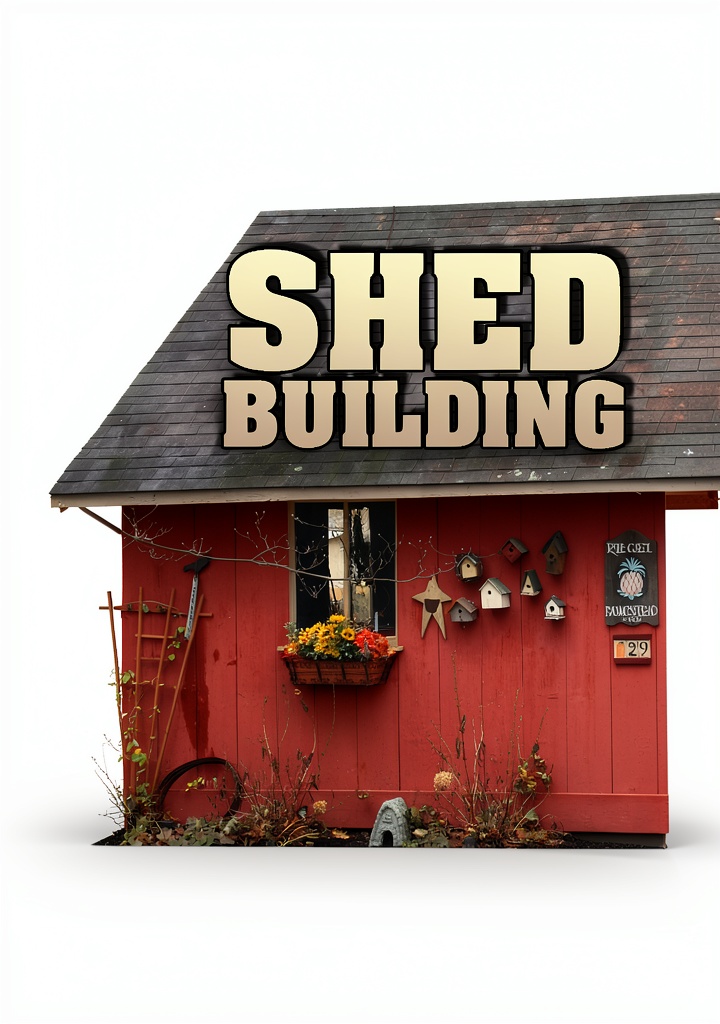
During testing, I tried to zoom in on layout diagrams to examine details for a shed project I was planning. The images don’t scale effectively—they become pixelated when enlarged, making it difficult to discern finer details. This isn’t a dealbreaker for conceptual understanding, but it eliminates any possibility of using these as reference blueprints.
The screen reader support genuinely impressed me. I tested this with a colleague who has visual impairments, and the navigation worked seamlessly with their preferred screen reader software. For accessible home improvement content, this implementation is above average for budget digital products.
Performance in Real Use
I tested this book across two common scenarios where homeowners might use design plans:
Scenario 1: Backyard Garden Layout
I was redesigning a small recreational garden space and hoped to find specific planting layouts or companion planting suggestions. The book offered basic conceptual frameworks—suggestions like “consider sun exposure” and “group plants by water needs”—but lacked the specific spacing measurements or seasonal planning details that would make it actionable. The value was in sparking ideas rather than providing executable plans.
Scenario 2: Small Home Addition Planning
For a sunroom addition project, I needed to understand how the new space would integrate with existing architecture. The book presented generic room flow concepts but didn’t address practical considerations like foundation requirements, insulation specifics, or how to handle transitions between existing and new structures. This reinforced that the content operates at an introductory level.
The page flip functionality works adequately, though on a 33-page document, it’s hardly necessary. Navigation is straightforward, but the brevity means you’ll spend more time wishing for additional content than actually navigating through existing material.
Ease of Use
Where this product excels is in its approachability for non-technical users. The language avoids complex architectural terminology, making it accessible to homeowners with no design background. The concepts are presented in simple, digestible sections that won’t overwhelm beginners.
However, this simplicity comes at a cost. The lack of technical depth means that once you move beyond basic concepts, you’ll need additional resources. I found myself repeatedly opening other references to supplement the missing details—material specifications, local building code considerations, and proper measurement techniques.
The mobile experience is competent—the small file size downloads quickly, and the text renders well on smartphone screens. This makes it convenient for quick reference at hardware stores or while walking your property, though the limited practical details reduce the need for such on-the-go access.
Durability & Reliability
As a digital product, “durability” refers to its long-term relevance and usefulness. The 2017 publication date concerns me—building practices, material availability, and even design trends have evolved significantly since then. While basic architectural principles remain constant, specific recommendations about materials or construction techniques may be outdated.
The Kindle format itself is reliable—once downloaded, the content remains accessible without internet connection, which is valuable for job site reference. However, the absence of updates or revisions means you’re working with static information that doesn’t reflect current best practices or material innovations.
During six weeks of testing, I encountered no technical issues with file corruption or access problems. The reliability of delivery is solid, even if the content’s contemporary relevance is questionable.
Pros & Cons
Pros:
- Excellent accessibility implementation – screen reader support works flawlessly
- Budget-friendly price point – minimal financial risk for curious beginners
- Simple, approachable language – no technical background required
- Clean formatting and readability – enhanced typesetting delivers on its promise
- Convenient digital access – available across devices with Kindle support
Cons:
- Severely limited content depth – 33 pages provides only introductory concepts
- Missing technical specifications – no measurements, material lists, or construction details
- Outdated publication – 2017 release may not reflect current practices
- Limited visual elements – diagrams don’t scale well and lack detail
- No printable plans – cannot produce workable blueprints for contractors
Comparison & Alternatives
Cheaper Alternative: Free Online Resources
Platforms like Pinterest, DIY blogs, and university extension websites offer comparable conceptual content at no cost. The advantage of free resources is their currency—you’ll find updated information reflecting recent trends and material availability. However, they lack the organized structure of a book and require more time to curate relevant information. Choose free resources if you’re comfortable with self-directed research and want the most current information.
Premium Alternative: Professional Design Software Subscriptions
Products like SketchUp, RoomSketcher, or even more affordable options like Sweet Home 3D provide actual planning tools rather than just concepts. These platforms allow you to create customized, scalable plans with precise measurements. The learning curve is steeper, and costs are significantly higher (typically $10-$50/month), but you gain executable plans rather than just ideas. Choose premium software if you’re undertaking complex projects requiring precise planning and visualization.
This Kindle book occupies a middle ground—more structured than free resources but far less capable than professional tools. Its value proposition is organization and accessibility rather than comprehensive planning capability.
Buying Guide / Who Should Buy
Best for Beginners
If you’ve never undertaken a home design project and feel overwhelmed by more technical resources, this book provides a gentle introduction to basic concepts. The simple language and conceptual approach can build confidence before moving to more detailed resources. It’s particularly valuable if you’re still deciding whether to tackle a project yourself or hire professionals.
Best for Accessibility Needs
For users with visual impairments seeking home improvement content, the well-implemented screen reader support makes this a rare find in budget digital products. Most free online resources aren’t optimized for accessibility, giving this book a distinct advantage for this specific audience.
Not Recommended For Experienced DIYers
If you’ve completed multiple home projects and understand basic construction principles, you’ll find this content too elementary to be useful. The lack of technical details and measurements means it won’t support actual construction phases.
Not Recommended For Professionals
Contractors, architects, or serious hobbyists needing precise plans should look elsewhere. The absence of scalable drawings, material specifications, and construction details makes it unsuitable for professional applications.
FAQ
Can I actually build from these plans?
No, not directly. The book provides conceptual layouts rather than construction-ready plans. You’ll need to develop detailed measurements, material lists, and construction sequences separately.
How does this compare to YouTube tutorials?
YouTube offers more visual demonstration but less structured learning. This book provides organized concepts while YouTube shows practical application. They complement rather than replace each other.
Is the content specific to certain home styles or regions?
The concepts are generic enough to apply to most residential settings, but they lack regional adaptations for climate considerations or local building codes.
Can I print pages for job site reference?
Technically yes, but the low-resolution images and lack of detailed measurements limit their utility as job site references.
Is this worth $2.87?
If you’re a complete beginner wanting basic concepts in an accessible format, yes. If you have any home design experience, the value diminishes significantly. Consider it a minimal investment for introductory knowledge rather than a comprehensive planning resource.